


Separation of Serum and Plasma
Presentations | English
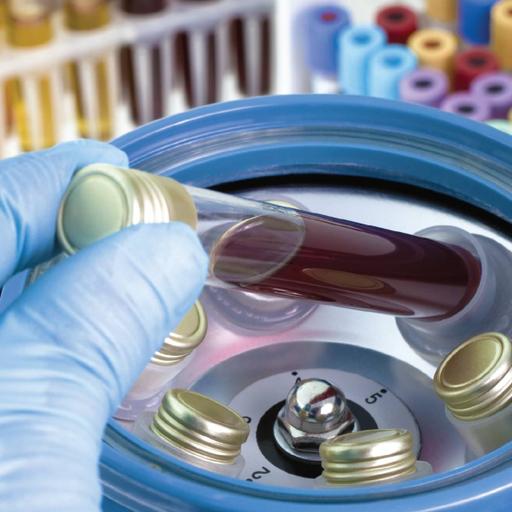
"Serum is the liquid fraction of whole blood that is collected after the blood is allowed to clot. The clot is removed by centrifugation and the resulting supernatant, designated serum, is carefully removed using a Pasteur pipette. Plasma is produced when whole blood is collected in tubes that are treated with an anticoagulant. The blood does not clot in the plasma tube. The cells are removed by centrifugation. The supernatant, designated plasma is carefully removed from the cell pellet using a Pasteur pipette. Collect whole blood in a covered test tube. If commercially available tubes are to be used, the researcher should use the red topped tubes. After collection of the whole blood, allow the blood to clot by leaving it undisturbed at room temperature. This usually takes 15–30 minutes. Remove the clot by centrifuging. The resulting supernatant is designated serum. For plasma preparation Collect whole blood into commercially available anticoagulant-treated tubes e.g., EDTA-treated (lavender tops) or citrate-treated (light blue tops). Heparinized tubes (green tops) are indicated for some applications.




12.50
Lumens
PPTX (50 Slides)
Separation of Serum and Plasma
Presentations | English